How Habanos are packed: dress boxes, cabinets, tubos and jars
The method used to package a Cuban cigar dictates its physical shape, its development during maturation, and its eventual value on the secondary market. From the tightly packed, flat-sided format of the traditional dress box to the rounder, cedar-bathed profile of a cabinet selection, Habanos S.A. employs a specific vocabulary of packaging. Understanding these formats allows the serious smoker to select the correct presentation for immediate consumption or long-term storage in a humidor.
Why packaging matters to taste and value
The packaging of a Habano is more than aesthetic presentation. The tension within the box, the presence of cedar, and the availability of oxygen directly influence how the tobacco ferments over time. Tightly pressed cigars tend to mature differently than those allowed room to breathe in a bundle. Furthermore, collectors scrutinise packaging formats, as pristine cabinets or rare ceramic jars command distinct premiums when they eventually reach the secondary market at auction.
The dress box and the Semi-Boîte Nature
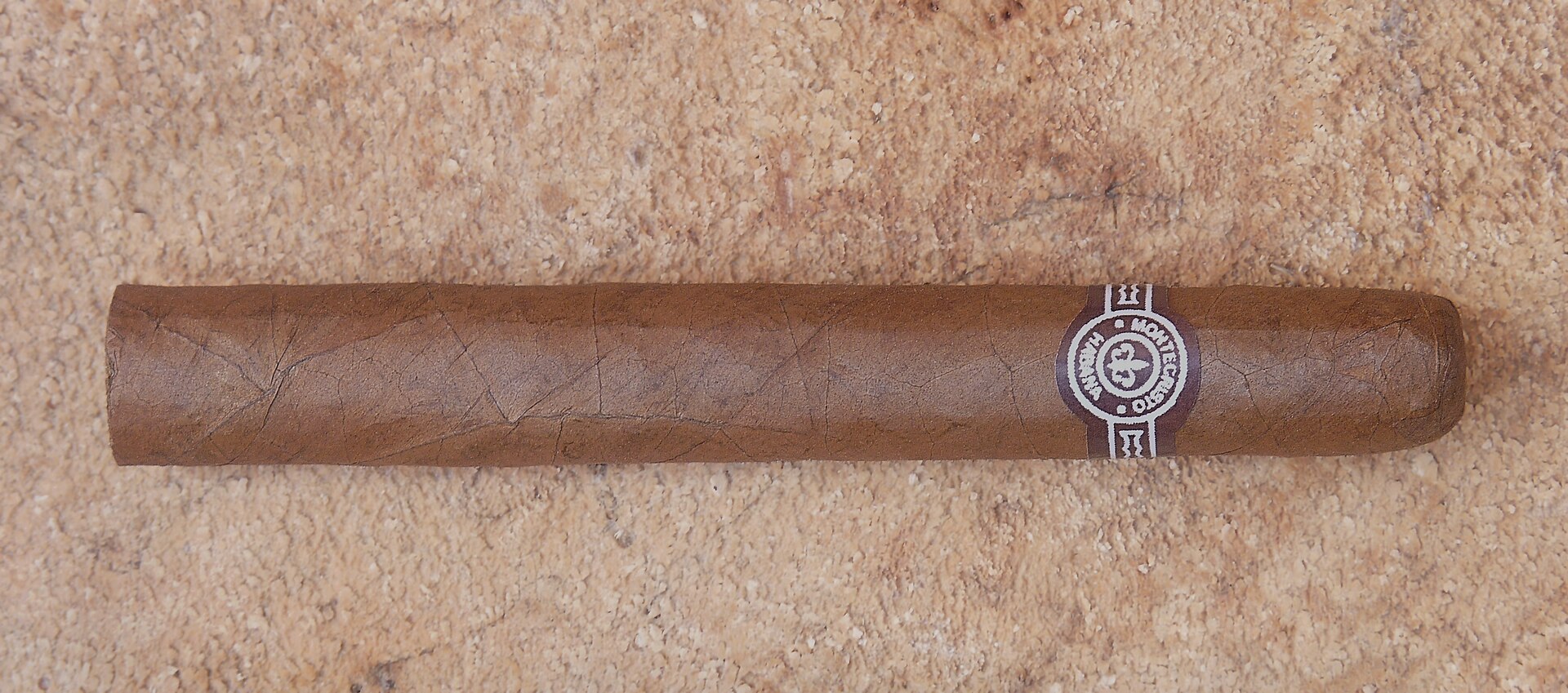
A classic Montecristo paper-dressed box — Photo: Jamain · CC BY-SA 3.0
The standard dress box, or *caja habilitada*, is the most common presentation for Cuban cigars. These wooden boxes are covered in decorative lithographic paper labels, known as *habilitaciones*, which identify the brand and vitola. Cigars in a dress box are typically packed in two layers, with the lower layer containing more sticks than the upper. This arrangement presses the cigars tightly against each other, giving them a subtle box-pressed, squared appearance.
The Semi-Boîte Nature (SBN) represents a step away from heavy paper dressing. These are plain cedar boxes, constructed with hinges and a metal clasp, featuring stamped or branded logos rather than paper labels. SBN boxes offer excellent rigidity and provide a rich cedar environment for the cigars to mature. They are widely used for robustos and other premium formats across major houses.
Slide-lid boxes and the cabinet selection
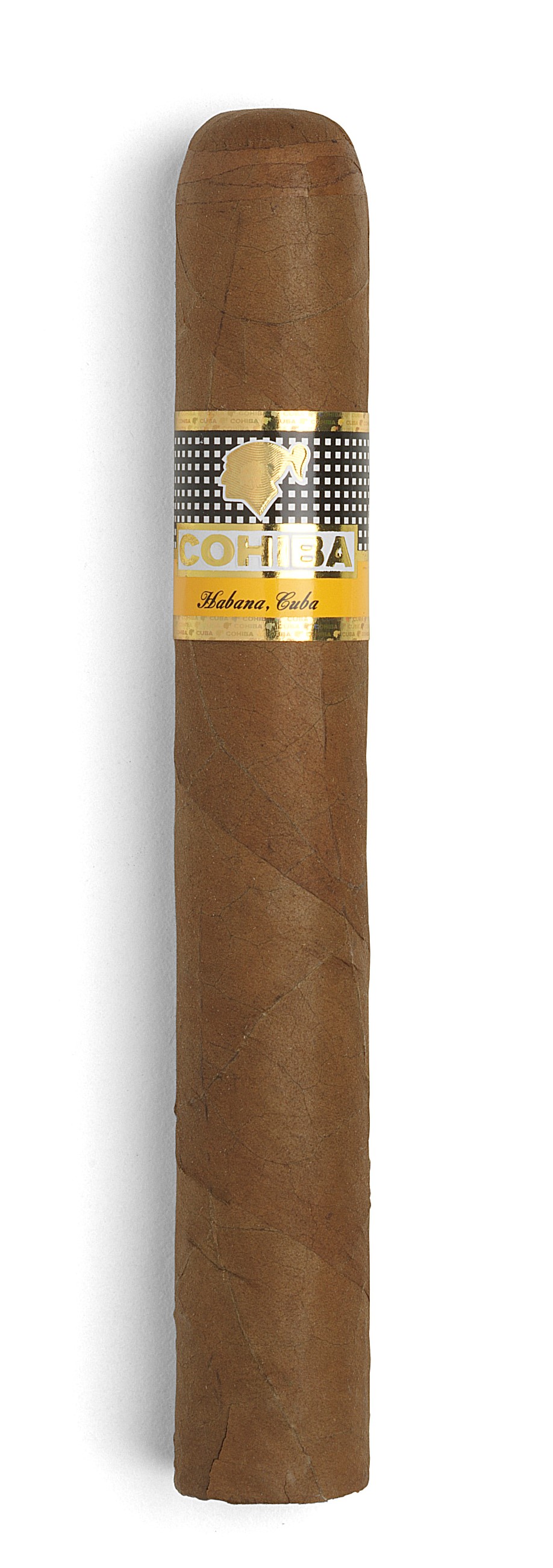
Cohiba Siglo VI presentation in a slide-lid box
The slide-lid box (SLB) is a plain cedar box featuring a lid that slides horizontally into grooves along the sides. Unlike the rigid rows of a dress box, cigars in a cabinet selection are often bundled together and tied with a silk ribbon. This format prevents the cigars from becoming excessively pressed, allowing them to retain a rounder profile.
Because the cigars in a slide-lid cabinet are in direct contact with unvarnished cedar, the wood imparts a delicate aromatic quality during long-term storage. Collectors often favour SLBs for ageing, noting that the bundled arrangement allows the essential oils of the cigars to marry harmoniously over the decades.
Petit cabinets, tubos and cardboard packs
For shorter smokes or specific releases, petit cabinets provide a compact version of the slide-lid format, typically holding fewer cigars. These remain highly sought after for preserving the round shape of smaller vitolas without committing to a full cabinet of fifty.
Tubos offer exceptional physical protection for the individual cigar. Encased in aluminium and often lined with a thin sheet of cedar, a tubo creates an isolated micro-climate that slows the ageing process significantly. This format is ideal for the travelling smoker, though those laying down tubos for a decade or more should inspect them periodically to ensure optimal conditions.
Cardboard packs, often containing three or five cigars, serve as an accessible format. While they offer less protection against humidity fluctuations than a solid wooden box or a sealed tubo, they are perfectly suitable for cigars intended for near-term enjoyment rather than deep maturation.
Jars, humidor releases and Colección Habanos books
Ceramic and glass jars have a storied history in the Habanos portfolio. Modern jars are typically released as regional editions or duty-free exclusives. They offer a unique aesthetic and a relatively airtight environment, though they require careful humidity management to prevent over-humidification of the cigars inside.
Special humidor releases and the prestigious Colección Habanos series represent the pinnacle of Cuban cigar packaging. The Colección Habanos features cigars presented in large wooden boxes crafted to resemble bound books. These highly limited editions contain rare or unique vitolas, rendering them significant assets for collectors and frequent fixtures at specialist auctions.
Box counts and how count affects price per stick
Cuban cigars are traditionally packed in quantities of ten, twenty-five, or fifty. The twenty-five count box is the industry standard for dress boxes, SBNs, and SLBs. Boxes of fifty, primarily issued as slide-lid cabinets, are particularly prized by serious collectors and connoisseurs.
The box count invariably affects the price per stick on the secondary market. Larger formats, such as fifty-count cabinets, often attract a premium per cigar due to their relative rarity and the perceived superiority of the ageing environment they provide. Conversely, cardboard packs usually reflect a standard retail margin without the collector's premium attached to rare wooden cabinets.
Dress Box — Typical Quantities: 10, 25 — Cigar Shape: Pressed — Ageing Profile: Standard
SBN (Hinged) — Typical Quantities: 10, 25 — Cigar Shape: Moderately Pressed — Ageing Profile: Excellent
Slide-Lid Cabinet — Typical Quantities: 25, 50 — Cigar Shape: Round — Ageing Profile: Exceptional, marries oils
Tubos — Typical Quantities: 3, 10, 25 — Cigar Shape: Round — Ageing Profile: Slow maturation
Jars — Typical Quantities: 25 — Cigar Shape: Round — Ageing Profile: Sealed, requires care
Understanding stamps and seals
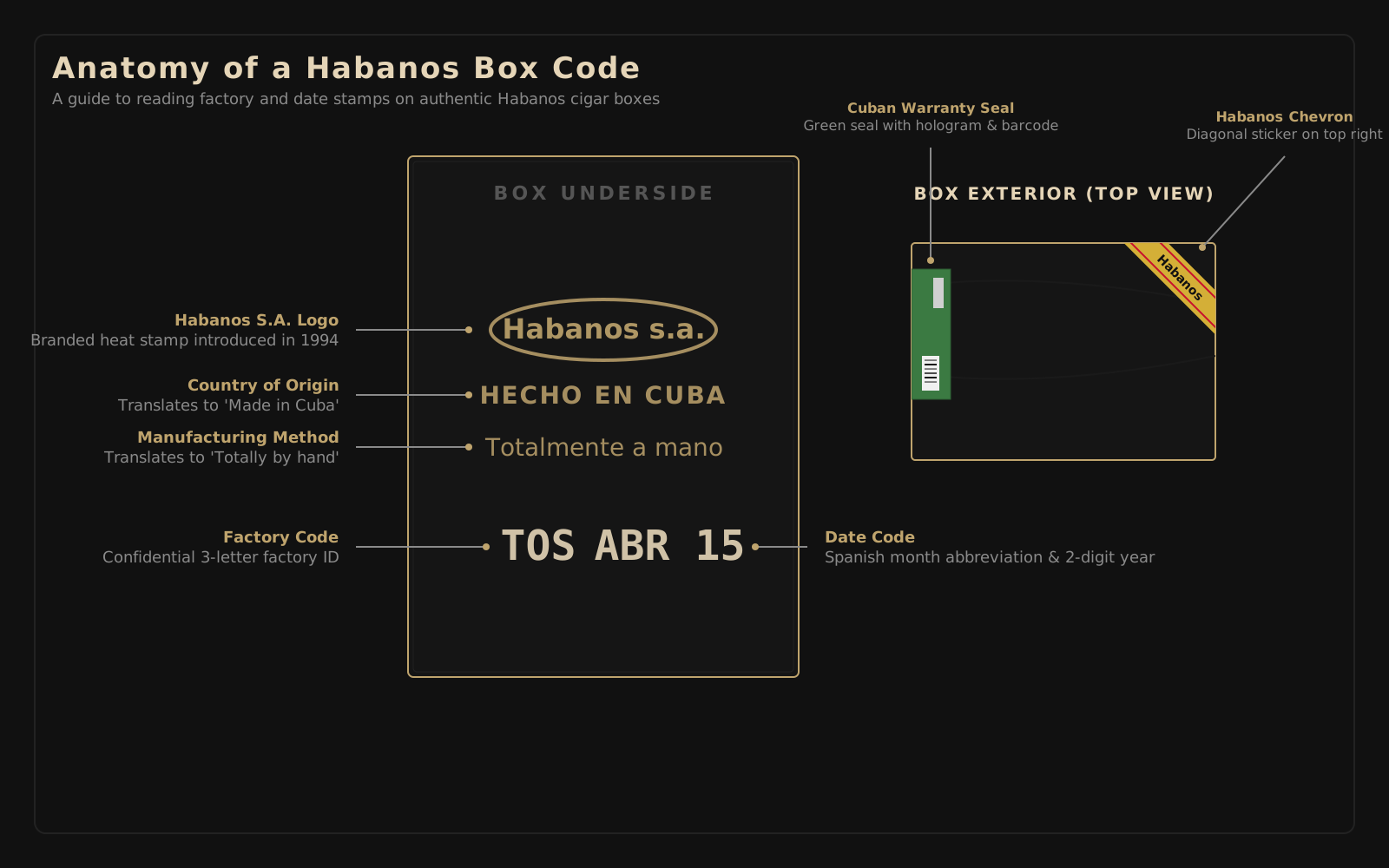
Anatomy of a Cuban cigar box code and seal
The base of a genuine Habano box carries a factory code and a date stamp, indicating precisely where and when the cigars were rolled. For instance, a stamp might read 'TUA MAY 22', offering crucial data for collectors looking to age specific production years. Verifying these codes against known factory periods is a fundamental practice; consult our cigar box code guide for current factory designations.
The Habanos Warranty Seal is applied to the front left corner of the box, wrapping around the edge. Modern iterations of this seal include a unique barcode and an embedded hologram to deter forgery. This seal serves as the primary method for authentication, as the barcode can be checked directly through the official Habanos S.A. database.
For boxes imported into the United Kingdom, the English Market Selection (EMS) chevron is prominently applied by Hunters & Frankau. This sticker guarantees that the box has passed strict quality control upon arrival in the UK and that all relevant duties have been paid. The EMS mark remains a vital indicator of provenance for UK collectors seeking flawless stock.
Storing boxes versus loose cigars
A persistent debate among collectors concerns whether to store cigars in their original boxes or as loose singles. Retaining the cigars in their box provides physical protection, maintains the specific micro-climate created by the factory packaging, and preserves the provenance of the purchase. For investment purposes, an intact box with its corresponding codes is essential.
Storing cigars loose in a humidor allows for rapid acclimation and presents an attractive display. However, it separates the cigar from its verifiable history and increases the risk of wrapper damage during handling. Most serious collectors prefer to keep boxes sealed or intact until they are ready to smoke the contents. For further advice on spotting counterfeits based on packaging, review our guide on how to spot fake Cuban cigars.
At MokaCigar
Whether you are laying down a cabinet of fifty for a decade or selecting a dress box for the coming season, the presentation of your Habanos matters. We inspect every box, verifying its codes, seals, and the condition of the cigars within to ensure they meet English Market Selection standards. Browse our curated stock and filter by your preferred packaging format at the MokaCigar shop.